
none
Texting

Campaigns
Data
Political
Texting
Volunteers
How a Statewide Campaign Built a More Connected Ground Game
November 2, 2026
Powered by Nucleus | Client Success Story
Millions of voter records. Thousands of volunteers. Hundreds of events. One connected platform to bring it all together.
Running a statewide political campaign is a massive undertaking. Between managing voter data, coordinating volunteers, organizing events, and executing outreach, campaign teams are constantly balancing competing priorities while working against tight deadlines.
For one statewide campaign, the challenge wasn't a lack of resources or information. It was finding a better way to connect everything and turn that information into meaningful action.
With millions of voter records, thousands of volunteers, and hundreds of events to manage, the campaign needed technology that could keep up with the scale and speed of its operation.
That's where Campaign Nucleus came in.
The Challenge: Too Much Data, Too Many Moving Parts
Political campaigns depend on information. But having access to millions of voter records doesn't automatically translate into an effective ground operation.
Campaign teams need to know who they're reaching, how those individuals are engaging, which volunteers are available, what events are happening, and where outreach efforts should be focused.
For this statewide campaign, those needs were amplified by the size of its operation.
The team was responsible for coordinating thousands of volunteers, managing hundreds of events, and maintaining access to millions of voter records. At the same time, staff needed to execute large-scale communications, identify key voter audiences, and respond to changing priorities as Election Day approached.
Managing these activities across disconnected systems created unnecessary complexity. Information had to be organized, audiences had to be built, and outreach had to be coordinated across different parts of the operation.
The campaign didn't need more technology. It needed its technology to work together.
The Solution: Connecting Data, People, and Outreach
By bringing its operations into Campaign Nucleus, the campaign established a more centralized approach to managing voter information, grassroots engagement, events, and communications.
Rather than treating each activity as a separate function, the team could connect its data with the tools needed to act on it.
Voter-file information could be used to build targeted audiences and identify individuals for specific outreach efforts. Supporter profiles provided a more organized view of engagement, while event and volunteer management tools helped coordinate activity across the state.
The platform also supported large-scale peer-to-peer texting, allowing the campaign to communicate directly with voters using audiences built from its existing data.
This became particularly valuable during absentee and early voting.
As ballots were distributed and returned, the campaign could use updated voter information to identify individuals who had not yet returned their ballots. Those audiences could then be incorporated into peer-to-peer texting efforts, helping the team focus its communications based on current voter information.
Instead of managing voter data and communications as separate processes, the campaign could connect the two within a coordinated workflow.
And with fewer disconnected systems to manage, staff could spend more time executing their plans and less time navigating the technology behind them.
The Results: Millions Reached, Thousands Engaged, and More Than $50,000 Saved
The impact of a more connected operation extended beyond simplifying daily workflows.
With Campaign Nucleus supporting its data, communications, and grassroots activity, the campaign managed substantial outreach volume while reducing the costs associated with its technology operation.
By the Numbers
| Metric | Result |
|---|---|
| Peer-to-peer text messages delivered | 5M+ |
| Supporter profiles managed and activated | 60K+ |
| Savings through technology consolidation | $50K+ |
These results demonstrate the scale of the operation and the value of connecting critical campaign functions.
More than five million peer-to-peer text messages supported voter outreach efforts, while more than 60,000 supporter profiles helped organize and activate the campaign's broader network.
Consolidating technology also delivered more than $50,000 in savings, reducing the financial burden of maintaining separate tools and services.
But the value wasn't limited to dollars saved or messages delivered.
The campaign also benefited from a more streamlined approach to execution. Teams could move between identifying audiences, coordinating activities, and launching communications without relying on a collection of disconnected platforms.
That operational efficiency becomes especially important during the final weeks of a campaign, when priorities can change quickly and every hour matters.
Why a Connected Operation Matters
One of the biggest challenges facing large campaigns isn't necessarily the amount of work that needs to get done. It's the number of systems, processes, and teams involved in getting it done.
When voter data lives in one system, volunteer information in another, and communications somewhere else, even routine activities can require additional coordination.
A connected platform changes that experience.
For this statewide campaign, bringing these functions together created a more consistent foundation for managing information and executing outreach.
Campaign staff could work from shared data, build audiences based on relevant voter information, coordinate events and volunteer activity, and manage communications within the same broader technology environment.
That meant fewer operational barriers between identifying an opportunity and acting on it.
It also gave the organization a more scalable foundation for handling the demands of a statewide operation.
From Data to Action: The Nucleus Advantage
This statewide campaign demonstrates an important distinction between having access to powerful technology and having technology that works together.
Millions of voter records are valuable, but only when teams can organize and use that information. Volunteers are essential, but coordinating thousands of them requires the right infrastructure. Large-scale communications can reach significant audiences, but those efforts become more manageable when they're connected to the data informing them.
By bringing these capabilities together, Campaign Nucleus helped the organization simplify its operations, manage outreach at scale, and reduce technology costs.
The result was a campaign infrastructure designed to support the people doing the work, rather than adding more work to their plates.
More than five million text messages. More than 60,000 supporter profiles. Over $50,000 in savings.
And one connected platform behind it all.
One Platform. More Possibility.
Whether you're managing a statewide political campaign, a national advocacy organization, or a growing grassroots operation, disconnected technology shouldn't slow your team down.
Campaign Nucleus brings your data, communications, events, and engagement tools together so your organization can spend less time managing systems and more time getting things done.

Texting
Tips
Updates
IOS Is Changing Texting: Here’s What This Means for Your Campaign
August 14, 2025
If your campaign uses texting to reach voters, volunteers, or donors, there are important changes coming that you should be aware of. Apple is starting to support something called RCS messaging, which could be quite significant for political outreach. These changes will shape how messages are delivered and what they look like on voters’ phones—especially for those who aren’t using iPhones.
What is RCS and Why Should You Care?
RCS stands for Rich Communication Services—essentially the next generation of SMS. Some new features include higher-quality images and videos, real-time typing indicators, read receipts, and interactive buttons. Until now, these capabilities were primarily available only on Android devices. However, with iOS 18 and planned updates through iOS 26, Apple is now embracing RCS.
For campaigns, this shift opens up new opportunities to engage voters in more dynamic and responsive ways. Higher-quality media, clickable calls-to-action, and real-time communication could significantly improve the impact of your outreach.
But There’s a Catch
Even with Apple supporting RCS, not every voter will be updated to the new system right away. Without the right tools, keeping track of who can receive RCS messages versus standard SMS could quickly become overwhelming.
How Campaign Nucleus Makes a Difference
Campaign Nucleus was built for moments like this. Even as the messaging ecosystem changes, we ensure your engagement stays effective and seamless.
When someone registers for an event, donates, or signs up to volunteer, Nucleus captures their phone number automatically—helping you grow a compliant, opt-in list without manual list management. From there, Nucleus sends automated follow-ups to each recipient’s device, regardless of the message type they can receive.
If they have RCS enabled, they’ll enjoy the updated experience with richer media and interactive features. If not, they’ll still get your message through standard SMS. Our platform also ensures compliance with built-in opt-out tracking, audience segmentation, and limits on message types.
Why This Matters Now
Campaigns that adapt early will benefit most from the shift to RCS. As more voters start using RCS-enabled devices, your outreach can stand out in ways it never could before. Higher-quality visuals, interactive buttons, and real-time engagement lead to better results—but only if your infrastructure is ready.
Communication
Engagement
Texting
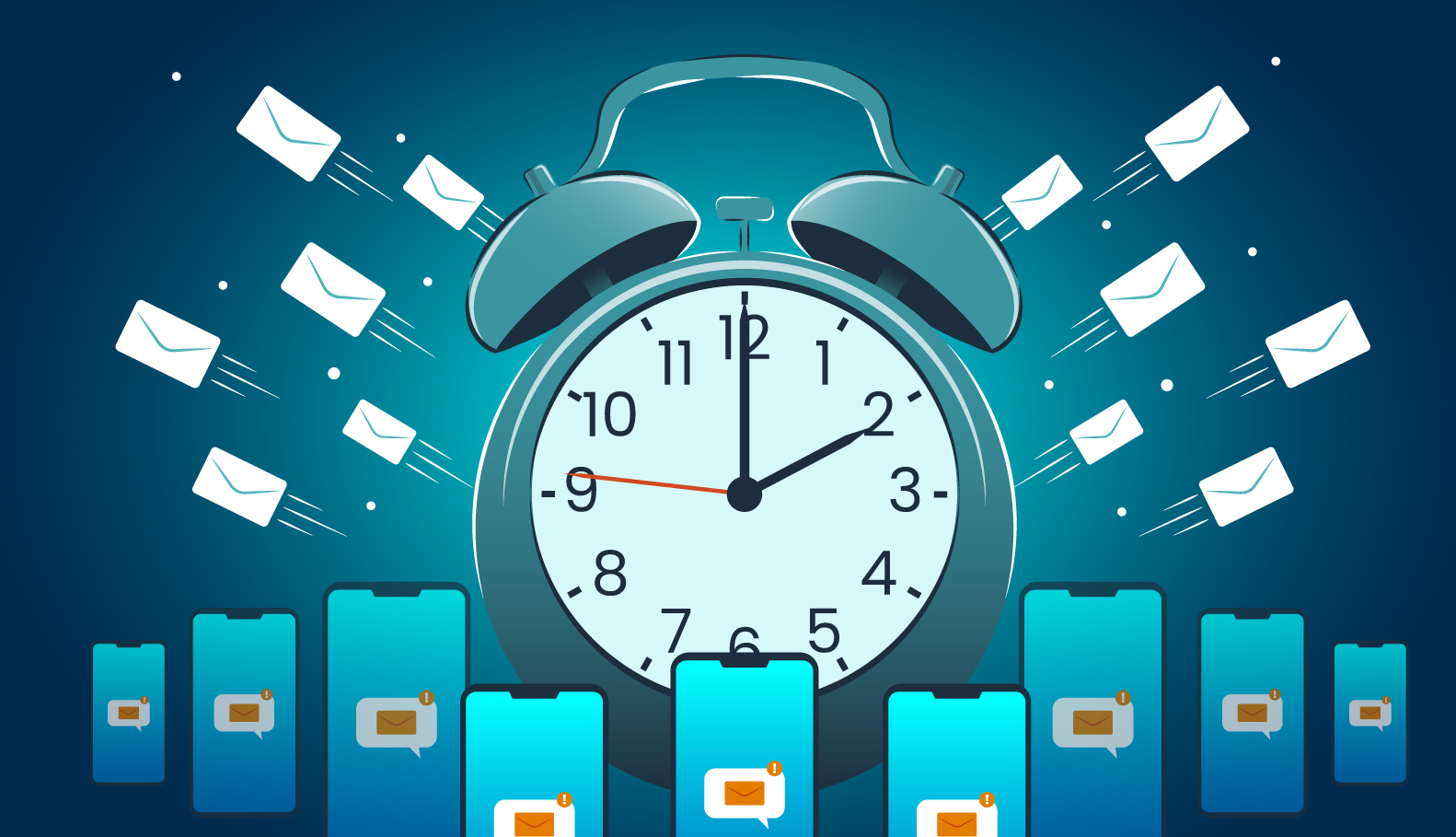
Messaging Mania: Why Now’s the Perfect Time to Send That Text!
September 26, 2024
As Election Day approaches, every moment counts, and staying connected with your supporters is more critical than ever. Are you using Nucleus Text or P2P Messaging to ensure that instant, personalized communication drives your campaign forward?
Imagine this: It's the night before the election, and you're able to instantly rally your base with a targeted message reminding them to vote. With Nucleus, that's not just possible—it's easy. Our Nucleus Text feature lets you send out quick, personalized updates, ensuring your supporters know where to go, what to bring, and why their vote matters.
For a more personal touch, our P2P Messaging tool allows you to engage in one-on-one conversations at scale. Think about the impact of a direct message from a volunteer, asking a voter if they need help getting to the polls or answering any last-minute questions. This kind of outreach can be the difference between a vote cast or a vote missed!
Beyond Election Day…
But it doesn't stop there. Nucleus messaging integrates seamlessly with your broader campaign efforts. If you're hosting a last-minute rally, use our messaging tools to send out an invite, then track who opens the message and who clicks to RSVP. Need to share crucial updates from the campaign trail? A quick text or P2P message ensures your supporters are always in the loop, no matter where they are.
And as your messages go out, you'll have real-time analytics at your fingertips. See how many people received your message, who engaged, and who might need a follow-up—all in one place, without missing a beat.
As you gear up for the final push, make sure you're equipped with the tools that can make the difference. Log in to your Nucleus account today and start using our messaging features, or reach out to our team for more personalized guidance.
Why Messaging?
Well, besides the fact that everyone has a phone attached to them these days, texts also benefit that other messaging like emails can't give you. Some advantages include:
Higher Open Rates: Text messages generally have much higher open rates compared to emails. Many people read texts almost immediately after receiving them.
Immediate Delivery: SMS messages are delivered instantly, making them ideal for time-sensitive information or urgent updates.
Personalization: Texts can feel more personal and direct, which can enhance engagement and make your messages feel more immediate and relevant.
Conciseness: Text messages force you to be brief and to the point, which can be effective for quick, clear communication.
Better Reach: Text messages can reach people who may not check their email frequently or who have limited internet access but always carry their phones.
Higher Engagement: Due to the personal nature of text messaging, recipients are more likely to respond or take action quickly.
No Spam Filters: Text messages don't get caught in spam filters like emails can, ensuring your message gets through.
Convenience: For quick updates or reminders, texts can be more convenient and accessible than email, especially on the go.
However, it's important to note that text campaigns also have limitations, such as character limits and potential costs per message. Balancing text and email campaigns can often be the best approach, leveraging each of their strengths.
Try these text campaign ideas!
- Voter Reminders
Send out last-minute reminders to your supporters about important voting deadlines, like early voting dates or Election Day itself. Include personalized information, such as polling locations or voting hours, based on their registered address.
- Event Invitations
Quickly notify your supporters about campaign events, rallies, or virtual town halls. Include a link to RSVP directly within the text, and follow up with a reminder on the day of the event.
- Get-Out-The-Vote (GOTV) Campaigns
Launch a text campaign to encourage voter turnout. Send personalized messages asking if they need a ride to the polls, reminding them to bring the necessary ID, or simply urging them to get out and vote.
- Fundraising Appeals
Use text messaging to send urgent fundraising appeals. A quick, compelling message with a direct link to donate can significantly boost contributions, especially during crucial campaign moments.
- Poll Watcher Coordination
Coordinate your poll watchers or volunteers with real-time updates and instructions. This is especially useful on Election Day, where rapid communication is essential.
- Issue Awareness
Educate your supporters on key issues and your stance on them. Short, informative texts can help clarify your position and mobilize your base on important topics.
- Thank You Messages
After an event, donation, or volunteer effort, send a quick thank-you text to show appreciation. Personalized gratitude can strengthen supporter loyalty and encourage future engagement.
- Surveys and Feedback
Engage your audience by sending out quick surveys or asking for feedback via text. Use this data to fine-tune your campaign strategy or understand voter concerns better.
- Crisis Communication
If there's an unexpected change in the campaign (like a venue change or emergency), a text message is the fastest way to reach your audience and keep them informed.
- Election Results Updates
Keep your supporters in the loop on Election Night with live updates as results come in. Share the excitement and keep them engaged as the outcome unfolds.
So what are you waiting for?
Now is the perfect time to send those texts and get your supporters more engaged than ever!
Nucleus user→ To get started today, contact your client services representative.
Or
Click here to join Nucleus!